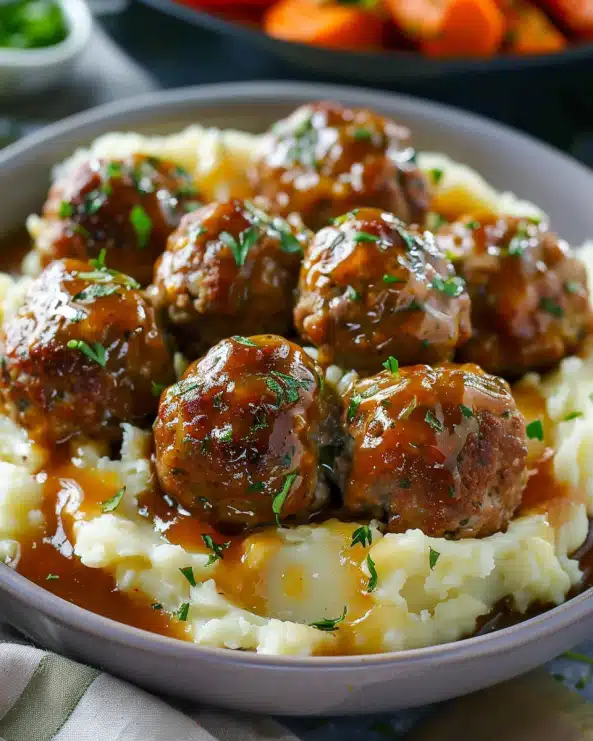
I absolutely love a hearty, comforting meal that brings warmth both to the table and the soul, and that’s exactly why I’m so excited to share this Baked Corned Beef and Cabbage Recipe with you. It’s one of those classic dishes that feels like a hug on a plate, with tender, flavorful corned beef slow-cooked alongside perfectly tender cabbage, carrots, and potatoes. I find it’s ideal for cozy family dinners or celebrating a special occasion with a meal that’s full of tradition and incredible taste.
Why You’ll Love This Baked Corned Beef and Cabbage Recipe
When it comes to flavor, I can’t get enough of how the tangy brown sugar and whole grain mustard glaze creates a beautifully caramelized crust on the corned beef, locking in all the juicy, savory goodness. As the beef bakes low and slow with the seasoning packet and vegetables, it soaks up those complex, comforting flavors that make every bite just melt in your mouth. The cabbage becomes tender and slightly sweet, perfectly balancing the rich meat, while the carrots and potatoes add that satisfying earthy touch.
What makes this recipe even more special for me is how approachable it is. I don’t have to fuss over multiple pots or complicated steps—just sear, bake, and let the oven do the magic while I get on with my day. It’s a perfect dish for a relaxed weekend dinner or even a holiday meal when I want something traditional but not stressful. The aroma while it’s baking makes the whole house smell like pure comfort, and serving it up always feels like a celebration. Trust me, once you try this Baked Corned Beef and Cabbage Recipe, it will become a go-to for your own special occasions.
Ingredients You’ll Need

For this recipe, I stick to simple, wholesome ingredients that combine to create layers of flavor and satisfying textures. Each component is essential, whether it’s the tender corned beef or the fresh vegetables that soak up all those beautiful juices while baking.
- 3 pounds corned beef brisket with seasoning packet: This is the star of the dish; choosing a brisket with the seasoning packet saves time and adds authentic spice.
- 2 tablespoons whole grain mustard: Adds a tangy, slightly spicy crust that complements the beef perfectly.
- 1/4 cup brown sugar: Helps create a sweet balance and caramelization on the meat’s surface.
- 1 tablespoon olive oil: For searing the beef and building that delicious crust.
- 1 pound cabbage (cut in wedges): Offers a tender, mildly sweet counterpoint to the savory beef.
- 6 ounces onion (1 peeled and quartered): Adds depth and slight sweetness as it roasts alongside the other vegetables.
- 1 pound baby carrots: Their natural sweetness enhances the overall flavor and adds color.
- 1 pound potatoes: Perfect for soaking up the juices and rounding out the meal.
- 3 cloves garlic: Infuses gentle earthy notes throughout the dish.
- 1 1/2 cups water: Keeps everything moist during baking and helps create a rich cooking liquid.
Directions
Step 1: Preheat your oven to 325°F. This low temperature is perfect for slow-cooking the corned beef so it becomes tender and juicy.
Step 2: Remove the corned beef from its packaging, discarding the liquid. Pat the brisket dry with paper towels to ensure the mustard and brown sugar will stick well.
Step 3: In a small bowl, mix the whole grain mustard and brown sugar until combined. Brush this flavorful glaze all over the corned beef, covering every side evenly.
Step 4: Heat the olive oil in a heavy iron skillet over medium-high heat until hot but not smoking. Carefully sear the corned beef on all sides until you have a beautiful golden-brown crust—this should take just a few minutes per side. This step locks in flavor and gives the meat a great texture.
Step 5: Transfer the seasoning packet from the corned beef package into a large Dutch oven. Add the seared corned beef on top of the seasoning.
Step 6: Add the potatoes, baby carrots, onion, and garlic around the beef. Pour in water until it comes about halfway up the sides of the corned beef, which will keep everything moist as it cooks.
Step 7: Cover the Dutch oven and place it in the oven. Bake for about 3 hours, or roughly 1 hour per pound of beef. Use an instant-read thermometer to check for doneness; it should read between 145°F and 155°F.
Step 8: Remove the Dutch oven from the oven and add the cabbage wedges on top of the vegetables. Cover again and return it to the oven for an additional 30 to 40 minutes, or until the cabbage is very tender.
Step 9: Carefully remove the corned beef from the pot and let it rest for about 10 minutes on a cutting board before slicing. This rest time helps lock in the juices so every bite remains moist.
Step 10: Slice the beef across the grain into generous portions, and serve alongside the cooked vegetables, spooning some of the flavorful cooking liquid over the top for extra richness.
Servings and Timing
This Baked Corned Beef and Cabbage Recipe serves about 8 hearty portions, making it a wonderful option for family meals or entertaining guests. The prep time is fairly quick—around 15 minutes to get everything ready—while the cook time is approximately 3 hours and 30 minutes, including the additional baking of cabbage. In total, you’re looking at about 3 hours and 50 minutes from start to finish, with a little resting time included to ensure the corned beef stays juicy.
How to Serve This Baked Corned Beef and Cabbage Recipe

When I serve this dish, I love to keep things simple and rustic, letting the beautiful flavors shine through. A large platter with the sliced corned beef nestled next to the vibrant cabbage, carrots, and potatoes looks so inviting. I usually drizzle some of the pan juices over everything, giving it a glossy finish that adds moisture and extra flavor. For a pop of freshness, I sometimes throw on a sprinkle of chopped fresh parsley or a few whole grain mustard seeds on the side for guests to add a bit more tang as they like.
To complement the savory richness, I think boiled or roasted new potatoes are a perfect side if you want extra starch, but honestly, the potatoes in this recipe soak up so much of the cooking liquid they’re incredible on their own. For beverages, a crisp, dry white wine like a Sauvignon Blanc or a light Irish stout works beautifully. If you prefer non-alcoholic options, a sparkling apple cider or a fresh lemonade adds just the right bright contrast to the hearty meal.
This dish is fantastic served hot or warm, making it a great centerpiece for Sunday dinners, St. Patrick’s Day celebrations, or any time you want a cozy, satisfying meal. I recommend portioning servings generously since leftovers keep so well and taste fantastic the next day.
Variations
I love experimenting with this recipe to suit different tastes and dietary needs. For instance, if you prefer a gluten-free version, just be sure the corned beef you buy doesn’t have any gluten-containing additives—most do not, but it’s worth checking. I sometimes swap out brown sugar for maple syrup for a different kind of sweetness that pairs beautifully with the mustard glaze.
If you want to add more veggies, kale is a wonderful substitute for cabbage or can be added alongside it for extra color and nutrition. For a twist on the cooking method, I’ve also tried slow-cooking everything in a slow cooker after searing, which is extremely hands-off and yields melt-in-your-mouth results—though baking in the oven gives that delightful crust on the beef that I adore.
For those following a vegan lifestyle, while the beef itself can’t be replaced in this recipe as is, I’ve adapted the vegetable roasting and mustard glaze for a satisfying cabbage and root vegetable bake that channels some of these same hearty flavors. Otherwise, adding smoked tempeh or seitan with similar seasonings can create an exciting plant-based twist.
Storage and Reheating
Storing Leftovers
Once you’ve enjoyed the initial meal, store any leftovers in an airtight container in the refrigerator. I find that leftover baked corned beef and vegetables keep beautifully for up to 3 to 4 days. Using glass containers is my favorite because they don’t absorb odors and make reheating easier, but any sealed food storage container will do just fine.
Freezing
This dish freezes well if you want to extend its life. To freeze, portion the corned beef and vegetables separately in freezer-safe containers or bags. Make sure to remove as much air as possible before sealing to prevent freezer burn. Leftovers will keep up to 3 months in the freezer. When ready to use, thaw overnight in the fridge for best results before reheating.
Reheating
To bring leftovers back to life, I gently reheat the corned beef and vegetables on the stovetop in a covered pan with a splash of water or broth to keep things moist. Alternatively, using an oven set at 300°F wrapped in foil works great to evenly warm the meat without drying it out. I avoid microwaving if possible because it can toughen the beef and make the cabbage rubbery. Taking a little extra care with reheating preserves the textures and flavors that make this recipe so special.
FAQs
Can I cook this recipe in a slow cooker instead of the oven?
Absolutely! After searing the corned beef, place it along with the vegetables, seasoning packet, and water into your slow cooker. Cook on low for about 8 hours or until the beef is tender. Add the cabbage during the last hour of cooking so it softens without becoming mushy. The slow cooker method is perfect for a hands-off approach, but keep in mind you won’t get that caramelized crust that baking provides.
How do I know when the corned beef is done?
I use an instant-read thermometer to check for doneness. The internal temperature should be between 145°F and 155°F for tender, safely cooked meat. The beef should also feel very tender when pierced with a fork. If it’s still tough, just give it more time in the oven, checking every 15 minutes.
Can I use regular mustard instead of whole grain mustard?
You can substitute regular yellow or Dijon mustard if that’s what you have on hand. The flavor won’t have the same slightly tangy crunch that whole grain mustard provides, but it will still add a nice tangy layer to the glaze. I recommend a quality Dijon if possible for the best balance.
What cut of meat should I buy for this recipe?
I recommend using a 3-pound corned beef brisket that comes with a seasoning packet. Brisket is ideal because it becomes wonderfully tender during slow cooking. Make sure it’s fresh or properly cured and not overly fatty for the best balance of flavor and texture. Avoid leaner cuts that don’t have enough fat to stay moist.
Can I add other vegetables to this recipe?
Yes! Feel free to add or substitute your favorite root vegetables like parsnips, turnips, or rutabagas. Just keep in mind the cooking times for different veggies, as some may cook faster or slower than carrots and potatoes. Adding kale or green beans near the end of cooking can also bring vibrant color and contrast.
Conclusion
I hope this Baked Corned Beef and Cabbage Recipe inspires you to bring a little extra comfort and tradition to your dinner table. It’s a dish I lovingly return to time and again because it delivers that perfect combination of tender meat, flavorful veggies, and simple, satisfying ingredients. When all these elements come together, you get a meal that’s as heartwarming as it is delicious. Give it a try—I promise it will become a favorite in your cooking rotation just like it is in mine.