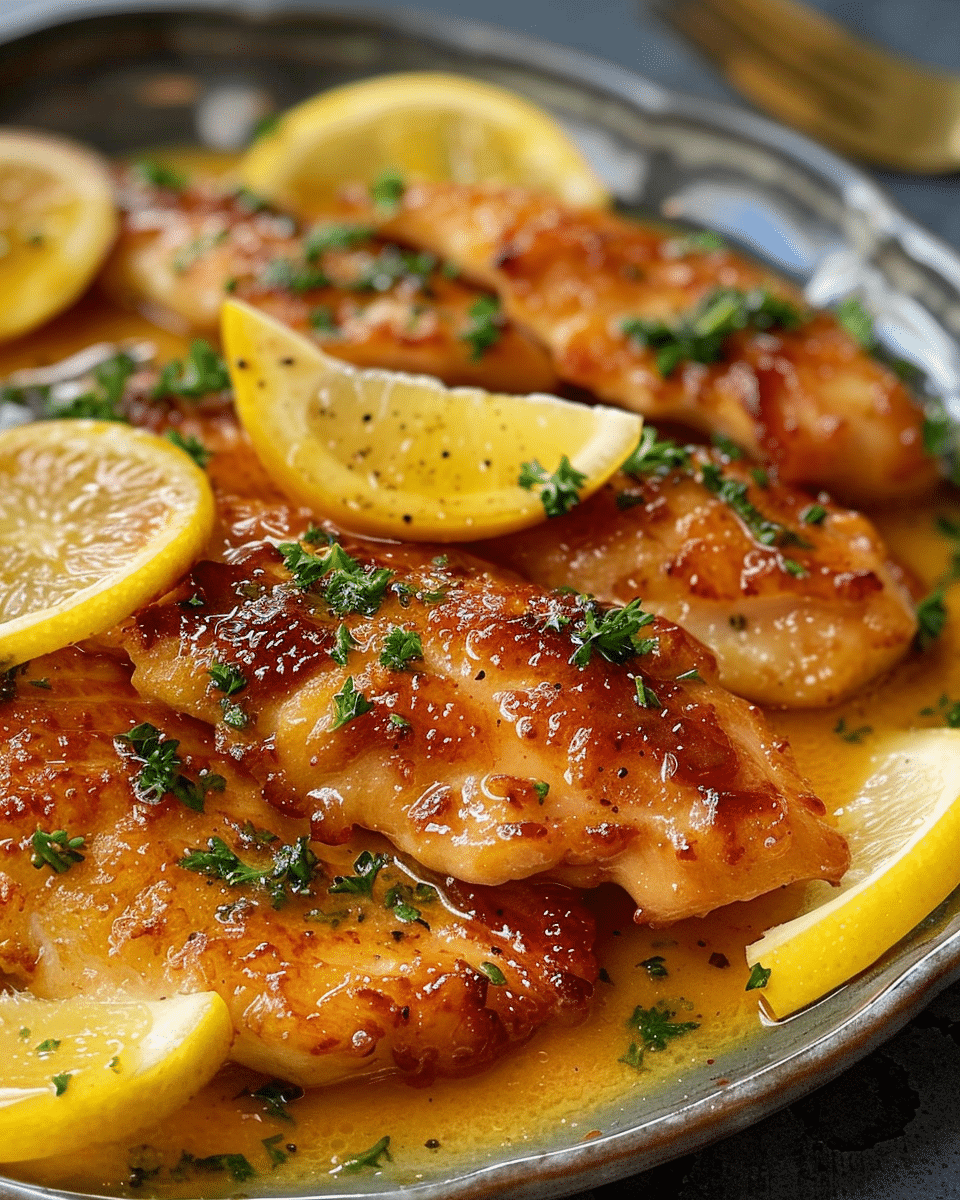
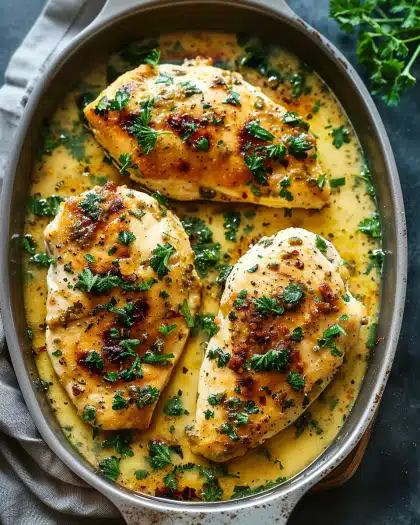
I love how this dish delivers rich flavor with very little fuss. The egg and Parmesan coating gives the chicken a delicate crust that soaks up the lemony sauce beautifully. The combination of chicken broth, lemon juice, and white wine creates a zesty, savory finish that complements the chicken without overpowering it. It’s perfect for date nights, family dinners, or when I want to serve something a little more special without spending hours in the kitchen.
Ingredients
(Here’s a tip: Check out the full list of ingredients and measurements in the recipe card below.)
4 boneless, skinless chicken breasts
Salt and pepper to taste
1 cup all-purpose flour
3 large eggs
1/4 cup milk
1/4 cup grated Parmesan cheese
1/4 cup olive oil
1/4 cup unsalted butter
1 cup chicken broth
1/2 cup fresh lemon juice
1/4 cup dry white wine
2 tablespoons chopped fresh parsley
Directions
I start by placing the chicken breasts between two sheets of plastic wrap and pounding them to an even thickness—this helps them cook evenly.
I season the chicken with salt and pepper, then dredge each piece in flour, shaking off any excess.
In a separate dish, I whisk the eggs, milk, and Parmesan together to make a smooth coating.
I dip each floured chicken breast into the egg mixture, letting any excess drip off.
I heat olive oil in a large skillet over medium-high heat and cook the chicken for 3 to 4 minutes per side until golden brown. Once done, I remove the chicken and set it aside.
In the same skillet, I melt the butter and add the chicken broth, lemon juice, and white wine. I scrape up the browned bits from the bottom and bring the sauce to a gentle simmer.
I return the chicken to the skillet and let it simmer in the sauce for about 5 minutes, or until fully cooked and infused with flavor.
Finally, I transfer the chicken to a serving platter, pour the sauce over the top, and garnish with chopped parsley.
Servings and timing
This recipe makes 4 servings and takes about 30 to 35 minutes from start to finish, making it perfect for a midweek dinner that feels like a treat or a low-stress weekend meal.
Variations
I like to switch it up sometimes by using veal or pork cutlets instead of chicken. For a gluten-free version, I simply substitute the all-purpose flour with a gluten-free flour blend. If I want extra flavor, I toss in some capers for a briny touch or stir in a splash of cream to make the sauce a little richer. A pinch of red pepper flakes also adds a nice kick if I’m craving some heat.
Storage/Reheating
Leftover Chicken Francese can be stored in an airtight container in the fridge for up to 3 days. When reheating, I warm it gently in a skillet over medium heat with a splash of broth or water to keep the sauce from reducing too much. I avoid microwaving it if possible to maintain the texture of the crust.
FAQs
What’s the difference between Chicken Francese and Chicken Piccata?
Chicken Francese is dipped in flour and egg before frying, while Chicken Piccata is typically dredged only in flour and includes capers in a lemon-butter sauce.
Can I make this ahead of time?
I like to make the sauce ahead and sear the chicken, then finish everything in the skillet just before serving. It keeps the crust crisp and the chicken moist.
What’s the best wine for the sauce?
I use a dry white wine like Sauvignon Blanc or Pinot Grigio. It doesn’t need to be fancy—just something crisp and drinkable.
Can I skip the wine?
Yes, I’ve replaced the wine with extra chicken broth or even a splash of white wine vinegar mixed with water for acidity.
How do I keep the coating from falling off?
I make sure the chicken is patted dry before dredging and that the oil is hot enough before adding the chicken. Letting the coating set for a minute or two after dipping also helps.
Conclusion
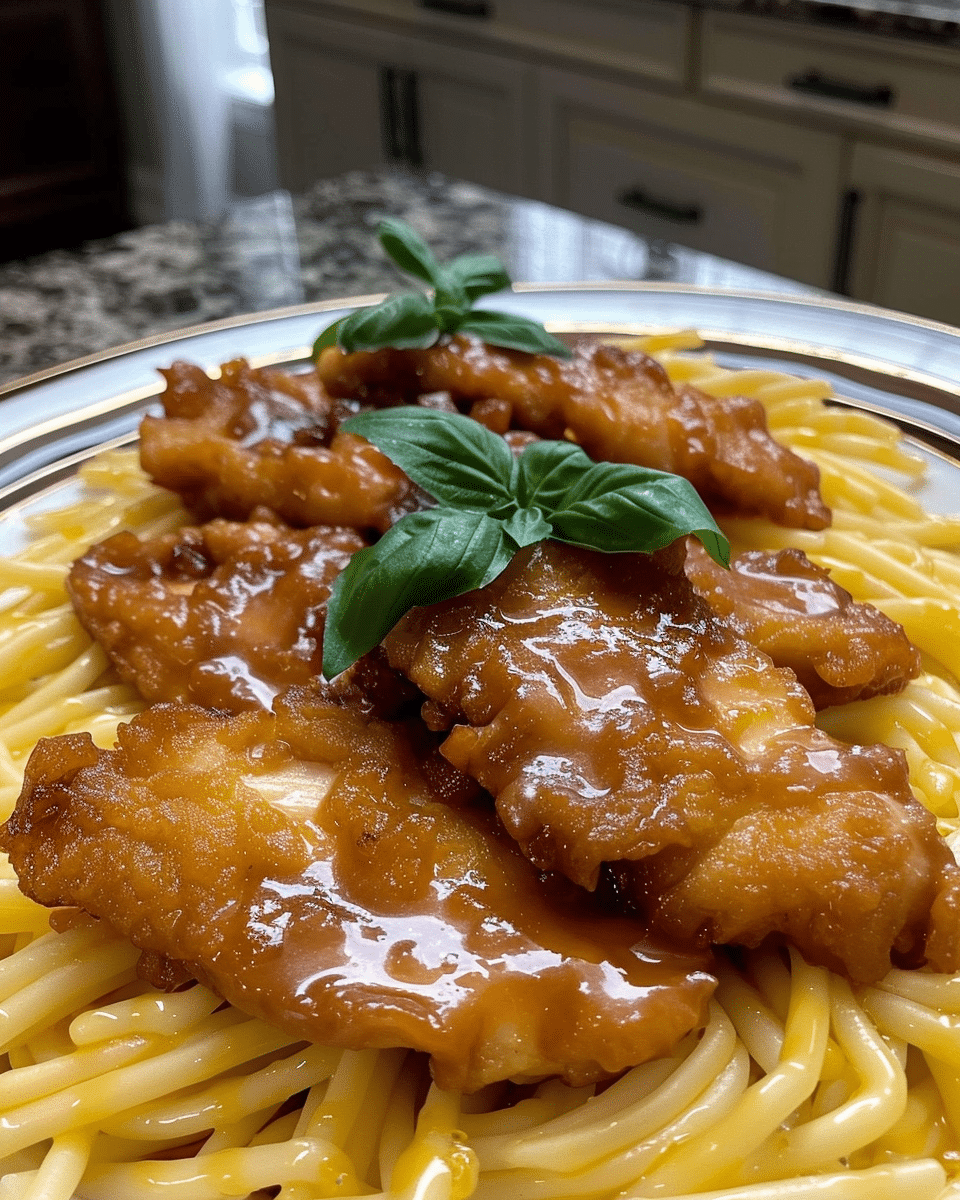
Chicken Francese is a timeless recipe that brings restaurant-level flavor to my home kitchen with minimal effort. I love how the golden crust, tangy lemon sauce, and hint of Parmesan create a dish that’s both light and luxurious. Whether I’m serving it over pasta, mashed potatoes, or a bed of greens, it always feels like something special.