I absolutely adore this Classic Basil Pesto Recipe because it captures the essence of fresh basil in such a vibrant and flavorful way that feels like summer bottled in a jar. I love how straightforward it is to make, yet the depth of taste you get from the combination of toasted pine nuts, roasted garlic, and Parmesan cheese is simply incredible. This recipe has become a staple in my kitchen for quick dinners, party appetizers, or even as a bright twist on sandwiches.
Why You’ll Love This Classic Basil Pesto Recipe
For me, the magic of this Classic Basil Pesto Recipe lies in its perfect balance of bright, herbal basil and the rich, nutty tones from the toasted pine nuts. The roasted garlic adds a mellow sweetness that elevates the depth of flavor, while the Parmesan cheese brings in a savory sharpness that rounds everything off beautifully. It’s just a burst of freshness and indulgence all at once – truly irresistible.
On top of flavor, the ease of preparation is something I can’t get enough of. I love recipes that come together quickly without sacrificing taste, and pesto is just that. It only takes a few minutes in the food processor and a handful of simple ingredients to transform your meal into something special. I find it perfect for all kinds of occasions – whether a casual weeknight pasta, an elegant dinner party, or a bright condiment at a picnic. It stands out because of its vibrant color and fresh taste, making it a crowd-pleaser every time.
Ingredients You’ll Need

This Classic Basil Pesto Recipe is refreshingly simple, relying on a handful of high-quality ingredients that each bring their own essential touch of flavor, texture, and color. Every item is important for getting that perfectly smooth, creamy, and aromatic result.
- Basil leaves: Use fresh, washed, and completely dried basil – it’s the star that brings vibrant green color and that unmistakable fragrant, herbal flavor.
- Toasted pine nuts: Toasting multiplies their nuttiness and adds that lovely crunch and depth.
- Lemon juice: A splash brightens the pesto and adds freshness, balancing the richness.
- Roasted garlic cloves: Roasting softens the garlic’s bite and adds a subtle sweetness and mellow aroma.
- Parmesan cheese: Freshly grated Parmesan imparts that savory umami richness and creamy texture.
- Olive oil: Use a good quality extra virgin olive oil for smoothness and fruity undertones.
- Salt and pepper: Essential seasonings to enhance and balance all the other flavors.
Directions
Step 1: Place the basil leaves, toasted pine nuts, lemon juice, roasted garlic cloves, and Parmesan cheese into your food processor. Secure the lid tightly and pulse 4 or 5 times to start breaking down the ingredients gently.
Step 2: Now turn the food processor on full power and slowly drizzle in 1/4 cup of olive oil through the feed tube. This helps emulsify the mixture into a creamy consistency. Stop to taste and adjust seasoning by adding salt and pepper as needed.
Step 3: Pause to scrape down the sides of the food processor bowl with a spatula, then add the remaining 1/4 cup of olive oil. If the pesto feels too thick at this point, drizzle in olive oil a tablespoon at a time until the texture is exactly how you like it – smooth yet slightly textured.
Step 4: Give it one last quick pulse to incorporate everything fully, then transfer to a bowl or jar for immediate use or storage.
Servings and Timing
This Classic Basil Pesto Recipe makes about 10 generous servings, perfect for a family meal or to have on hand for multiple dishes. The prep time is around 10 minutes if you have all your ingredients ready, mainly because the roasting and toasting can be done ahead of time. There is no cook time since the sauce is raw, but allowing your roasted garlic to cool before using is important. Overall, you’re looking at about 10-15 minutes total hands-on time. No resting time is needed unless you want the flavors to meld a little by refrigerating it briefly before serving.
How to Serve This Classic Basil Pesto Recipe

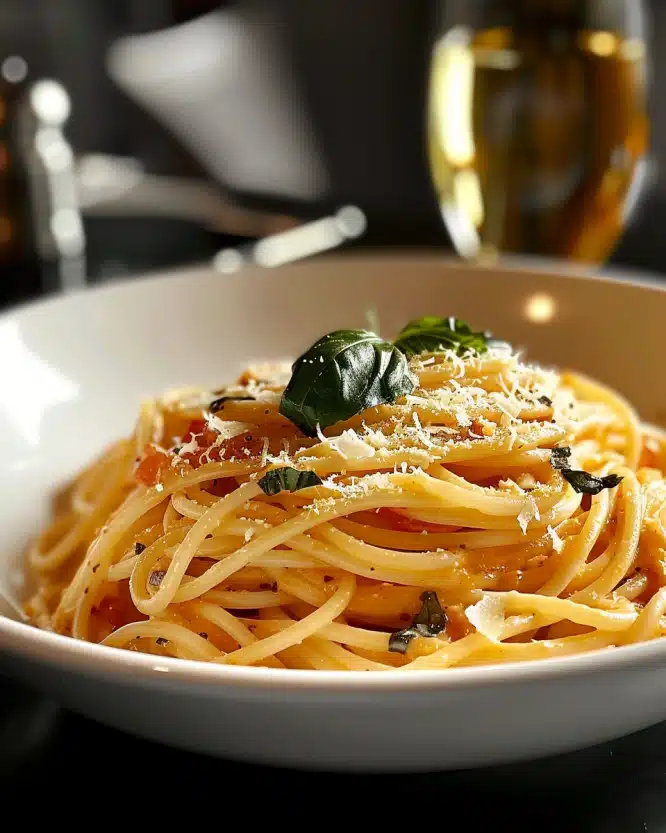
I love serving this Classic Basil Pesto Recipe in so many ways! My go-to is tossing it with fresh pasta for a quick dinner that feels gourmet without fuss. The herby, nutty sauce clings beautifully, making each bite a delight. It’s also fantastic dolloped over grilled chicken, roasted vegetables, or stirred into a creamy risotto. When serving, I like to drizzle a little extra olive oil on top and sprinkle more toasted pine nuts or grated Parmesan for extra crunch and richness.
For presentation, a small ramekin of pesto makes a lovely spread on an antipasto board alongside fresh bread, olives, and cured meats. I often garnish with a few basil leaves and a lemon wedge on the side for a pop of color and brightness. Pairing pesto with a crisp white wine like Pinot Grigio or Sauvignon Blanc is my favorite match because it complements the fresh herbal notes perfectly. If you prefer non-alcoholic, a sparkling lemonade or iced herbal tea balances the richness wonderfully.
This pesto is lovely served warm or at room temperature. I avoid serving it cold straight from the fridge because the flavors seem muted and the texture thickens. Before plating, I let it sit a little at room temp for the best aromatic punch. Portion size wise, about two tablespoons per person as a pasta sauce or spread is usually just right, but feel free to adjust depending on your crowd’s appetite!
Variations
One of the reasons I keep coming back to this Classic Basil Pesto Recipe is how versatile it is. If you want to switch things up, try swapping pine nuts for walnuts or almonds to change the texture and flavor profile. Toasting those nuts is key to deepen their nuttiness no matter which you choose. For a vegan version, simply omit the Parmesan and replace it with nutritional yeast or a vegan cheese substitute to keep that cheesy, savory note.
If you want to explore different flavor notes, I suggest adding a handful of fresh parsley or mint along with the basil for a fresher, slightly different herbal twist. You could also experiment with adding a pinch of chili flakes if you like a bit of heat. For a creamier texture, some people like to add a spoonful of ricotta or even avocado, although those change the classic feel slightly. I haven’t tried cooking the pesto itself, but sometimes I use it as a marinade or finish for grilled fish and meats, giving the dish a bright, fresh finish that contrasts beautifully with smoky flavors.
Storage and Reheating
Storing Leftovers
To store leftovers of this Classic Basil Pesto Recipe, I recommend using an airtight glass container to keep it fresh and vibrant. Press a layer of plastic wrap directly onto the surface of the pesto before sealing the lid; this helps prevent oxidation and browning. Stored this way, it will keep well in the fridge for up to one week. Always use a clean spoon to scoop out what you need to avoid contamination.
Freezing
Yes, you can freeze pesto, and I find it’s a great way to preserve the flavors for longer. I like to portion it into small ice cube trays first, then transfer the frozen cubes to a freezer bag. This way, I can defrost exactly what I need by popping a cube directly into hot pasta or sauce. Frozen pesto keeps well for up to 3 months. Just remember that the texture might separate slightly, so give it a good stir or whisk after thawing to bring it back together.
Reheating
Since pesto is best enjoyed raw to retain its fresh flavors, I don’t recommend reheating it on its own. However, when you add it to hot dishes like pasta, it warms gently and melds nicely. If you’re using leftover pesto in a sauce, add it towards the end of cooking and stir lightly over low heat to prevent losing its vibrant color and fresh taste. Avoid high heat or boiling once pesto is added to keep its delicate balance intact.
FAQs
Can I use regular garlic instead of roasted garlic?
You definitely can, but roasted garlic offers a softer, mellower flavor that I really prefer in pesto. Raw garlic can be quite sharp and overpowering. If you prefer raw garlic, start with just one small clove and adjust carefully to avoid bitterness.
What if I can’t find pine nuts?
Walnuts, almonds, or even cashews make excellent substitutes. Toast them lightly to bring out their flavor. Each nut variety adds a unique twist, so you can experiment and find your favorite!
How long does homemade pesto last in the fridge?
When stored properly in an airtight container with a layer of olive oil or plastic wrap on top to prevent air exposure, pesto lasts about 5 to 7 days. Always check for signs of spoilage like discoloration or an off smell before use.
Can I make this Classic Basil Pesto Recipe without a food processor?
Yes! You can make pesto by hand using a mortar and pestle. It’s a bit more labor-intensive but yields a wonderfully rustic texture and allows you to control the consistency very precisely.
Is this pesto safe for people with nut allergies?
If you have a nut allergy, you can make pesto using seeds like pumpkin or sunflower seeds instead of pine nuts. These options still add a lovely texture and nutty flavor without the allergy risk.
Conclusion
I can’t recommend this Classic Basil Pesto Recipe enough – it’s one of those dishes that brings so much joy and freshness to any meal with minimal effort. Every time I make it, I’m reminded how such simple, quality ingredients can create something truly special. Whether you’re new to pesto or a seasoned fan, give this recipe a try and watch it become a beloved kitchen staple just like it is for me.