I absolutely adore this Lemon Vinaigrette Recipe because it brings a bright, zesty burst of freshness to any salad or dish I pair it with. It’s incredibly simple to whip up, yet it never fails to elevate a meal with its perfectly balanced tangy lemon flavor, a touch of honey’s sweetness, and the subtle punch of Dijon mustard and garlic. Whenever I need a quick, versatile dressing that’s both refreshing and vibrant, this is my go-to solution.
Why You’ll Love This Lemon Vinaigrette Recipe
What really makes this Lemon Vinaigrette Recipe stand out for me is the way the flavors come together so harmoniously. The freshly squeezed lemon juice delivers a lively citrus tang, while the olive oil adds a silky richness that rounds out the acidity beautifully. The Dijon mustard acts as a gentle emulsifier, bringing a pleasant depth, and the garlic adds a fragrant bite that keeps things interesting. It’s never overpowering, just perfectly balanced in a way that makes you want to drizzle it over all your greens and even grilled veggies.
Another thing I appreciate about this recipe is its sheer ease and speed. I can have it ready in less than five minutes, using just a handful of straightforward ingredients. It’s perfect for last-minute meals or when you want to impress guests without breaking a sweat. Plus, it’s incredibly versatile—I use it for everything from salads and grain bowls to marinating chicken or drizzling over roasted vegetables. Honestly, it’s a recipe I always keep on hand because it reliably transforms a simple dish into something special.
Ingredients You’ll Need

To make this Lemon Vinaigrette Recipe, you’ll need just a few simple, fresh ingredients that each contribute essential flavor and texture—bright lemon juice for zing, silky olive oil for smoothness, and a hint of garlic and mustard to deepen the taste.
- Extra virgin olive oil: Use a good quality one for the richest flavor and smooth texture.
- Freshly squeezed lemon juice: Opt for fresh lemons to get the brightest, most natural citrus taste.
- Fine sea salt: Just a pinch to enhance all the other flavors.
- Freshly ground black pepper: Adds a subtle heat that balances the acidity.
- Dijon mustard: Acts as a natural emulsifier and adds mild tanginess.
- Garlic clove: Freshly grated or pressed for that aromatic kick.
- Honey (optional): A touch to soften the acidity if you find it too sharp.
Directions
Step 1: In a medium bowl, whisk together the lemon juice, sea salt, black pepper, Dijon mustard, garlic, and honey until the mixture is fully blended and slightly thickened.
Step 2: While whisking vigorously, slowly drizzle in the extra virgin olive oil. Keep whisking until the dressing is smooth, creamy, and fully emulsified. If you prefer, you can combine all ingredients in a mason jar and shake vigorously until everything is well combined.
Step 3: Taste the vinaigrette and adjust salt, pepper, or honey to your preference. Remember that the flavors will meld even more if you refrigerate it for a bit before serving.
Step 4: Transfer the vinaigrette to an airtight container or mason jar and refrigerate. If it solidifies or separates in the fridge, simply let it sit at room temperature for a few minutes and shake or whisk again before using.
Servings and Timing
This recipe makes about 5 servings of dressing, which is perfect for a large salad or multiple smaller leafy greens dishes. Prep time is very quick at around 5 minutes, and since this vinaigrette requires no cooking, the total time also comes to about 5 minutes. There’s no mandatory resting time, but I recommend chilling it for at least 10 to 15 minutes to let the flavors marry beautifully.
How to Serve This Lemon Vinaigrette Recipe

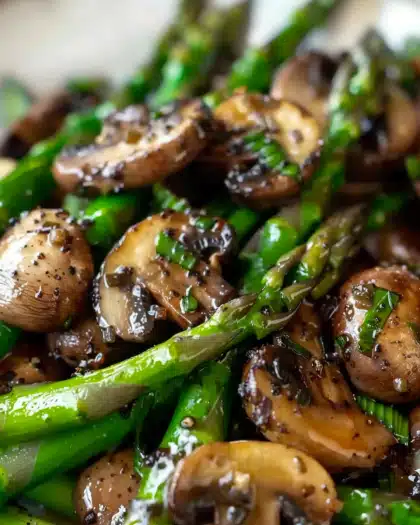
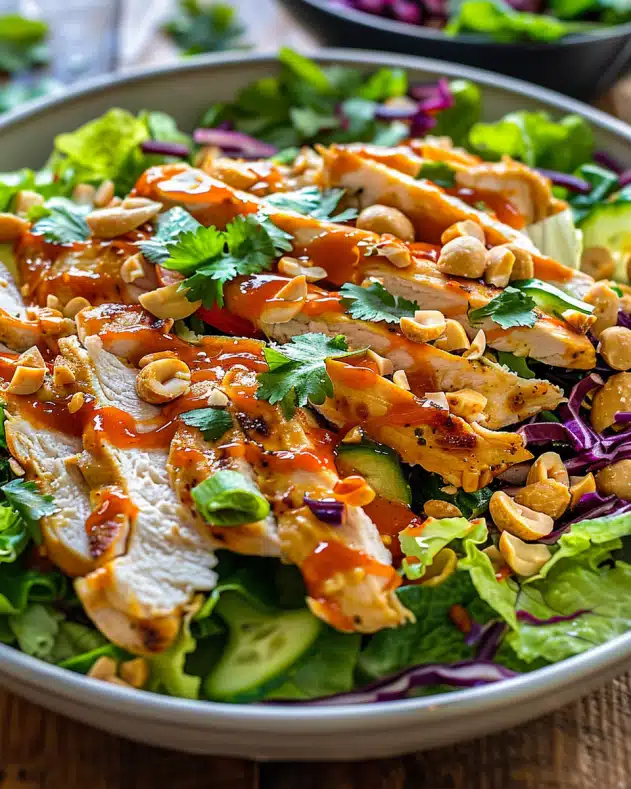
I love drizzling this Lemon Vinaigrette Recipe over crisp mixed greens like arugula, baby spinach, or romaine for a light, refreshing salad. It’s also phenomenal on roasted vegetables such as asparagus, Brussels sprouts, or butternut squash when they’re still warm—you get that satisfying contrast of warm veggies with the cool, tangy dressing. For a quick lunch, tossing it with quinoa or couscous alongside chopped cucumbers and cherry tomatoes creates a vibrant, flavorful grain bowl.
When I serve this vinaigrette, I like to garnish with freshly cracked black pepper or a few thin lemon slices to echo the citrus notes visually and add a bit of sophistication. A sprinkle of chopped fresh herbs like parsley or basil enhances the freshness and brightens up the presentation. Pouring it over colorful salads plated in white or light-colored bowls always makes the vibrant yellows and greens pop.
For drinks, I find this vinaigrette pairs wonderfully with a crisp, chilled white wine like Sauvignon Blanc or a lightly sparkling water infused with lemon or cucumber for a non-alcoholic option. It’s a fantastic choice to serve at sunny weekend brunches, casual weeknight dinners, or even festive holiday gatherings when you need a bright counterpoint to richer dishes. I recommend serving the vinaigrette chilled or at room temperature to keep the flavors crisp and lively.
Variations
One of my favorite things about this Lemon Vinaigrette Recipe is how easy it is to tweak according to what’s in my pantry or dietary needs. For a vegan-friendly twist, I always use maple syrup instead of honey—it adds a slightly different but equally delightful sweetness. If you’re avoiding garlic, a pinch of garlic powder or a tablespoon of finely chopped shallots works nicely without overwhelming the milder citrus tones.
Sometimes, I experiment with different oils to create depth; swapping olive oil for avocado oil or walnut oil gives a unique nuttiness that complements the lemon beautifully. You can even add fresh herbs like dill or tarragon for an herbal punch, or a little crushed red pepper for heat if you like things spicy. To transform this vinaigrette into a creamier dressing, I blend in a spoonful of plain Greek yogurt or vegan mayo—making it perfect for drizzling over grain bowls or as a dip.
For a smoky variation, I love adding a small pinch of smoked paprika or a dash of liquid smoke, which adds an unexpected depth without overpowering the brightness of the lemon. This flexibility is what keeps me excited about this Lemon Vinaigrette Recipe and always coming back for more creative twists.
Storage and Reheating
Storing Leftovers
I always store leftover lemon vinaigrette in a clean, airtight glass container or mason jar in the refrigerator. It keeps fresh for up to one week. Before sealing it, make sure to shake the container well to ensure the oil and lemon juice are well combined. The dressing may thicken or separate slightly when chilled—just give it a good shake or stir to bring it back to its perfectly emulsified state before serving again.
Freezing
This lemon vinaigrette is not ideal for freezing because the oil and lemon juice tend to separate and may drastically affect the texture and flavor once thawed. I wouldn’t recommend freezing it, as the delicate balance of flavors can be compromised. It’s best enjoyed fresh or refrigerated and consumed within the week.
Reheating
Since this Lemon Vinaigrette Recipe is served cold or at room temperature, reheating isn’t typically necessary. If it’s thickened or solidified in the fridge, simply allow it to come to room temperature for 10-15 minutes and give it a good shake or whisk to restore its smooth texture. Avoid applying heat as this can break the emulsion and dull the fresh lemon flavor.
FAQs
Can I use bottled lemon juice instead of fresh lemon juice?
While bottled lemon juice can work in a pinch, I highly recommend using freshly squeezed lemon juice for this Lemon Vinaigrette Recipe. Fresh juice delivers a brighter, more vibrant flavor and better acidity that really makes this vinaigrette stand out.
How can I make this dressing less tangy?
If the vinaigrette tastes too sharp for you, try adding a little more honey or maple syrup to balance out the acidity. A small extra pinch of salt can also help mellow the lemon’s intensity while enhancing the overall flavor.
Is Dijon mustard necessary in this recipe?
Dijon mustard helps emulsify the dressing and adds a subtle tangy depth, but you can omit it if you don’t have any on hand. Without it, just be sure to whisk the ingredients thoroughly to combine properly, though the texture may be slightly different.
Can I add herbs to this Lemon Vinaigrette Recipe?
Absolutely! Fresh herbs like parsley, basil, tarragon, or dill are wonderful additions that bring extra color and flavor. Stir them in after emulsifying the vinaigrette for a fresh, herbal boost.
How long does this vinaigrette keep in the fridge?
Stored properly in an airtight container, this lemon vinaigrette stays fresh for up to one week in the refrigerator. Always shake or whisk well before serving if it has separated.
Conclusion
I truly hope you give this Lemon Vinaigrette Recipe a try—it’s one of those simple yet transformative dressings that I keep returning to again and again. Its bright, fresh flavor and effortless preparation make it a staple in my kitchen, perfect for brightening up any meal. Whether you toss it on salads, veggies, or grains, it never fails to bring culinary joy, and I’m so excited to share it with you!