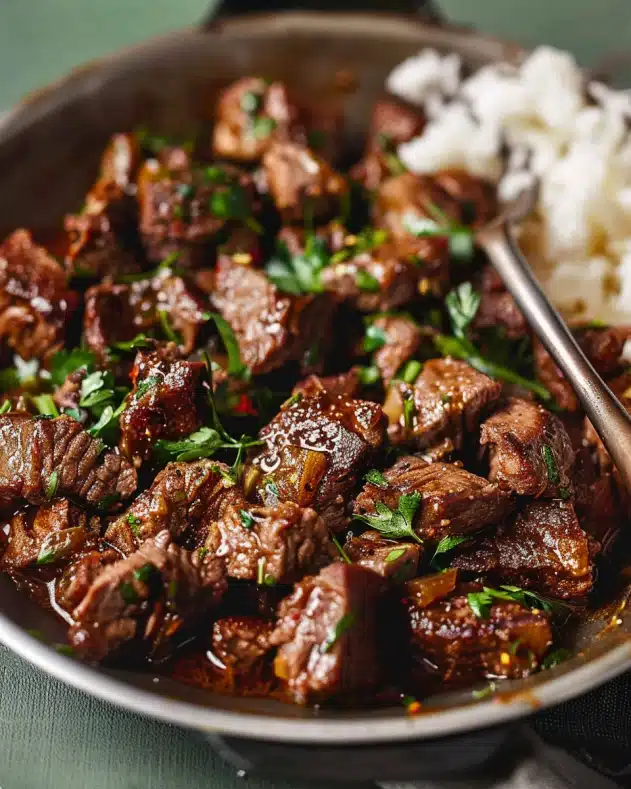
I absolutely love sharing this Mediterranean Steak Grain Bowl Recipe with friends because it perfectly balances vibrant, fresh ingredients with hearty steak and creamy, luscious hummus. For me, it’s the kind of dish that feels indulgent yet nourishing, combining the herby brightness of a yogurt dressing with the satisfying chew of quinoa and tender, flavorful steak. It’s quick to throw together, packed with colors and textures, and always ends up being a crowd-pleaser at my table.
Why You’ll Love This Mediterranean Steak Grain Bowl Recipe
What makes this dish stand out to me is that beautiful harmony of Mediterranean flavors — tangy feta, briny kalamata olives, fresh herbs, and a garlicky lemon dressing — all layered with juicy, perfectly cooked steak. Every bite feels fresh but substantial, a wonderful contrast of creamy hummus, chewy quinoa, and crisp vegetables. I find it so satisfying to have a meal that doesn’t just taste amazing but also feels vibrant and wholesome.
I also really appreciate how straightforward the preparation is. The steak marinates simply with salt and pepper, and the grain bowl assembles with minimal fuss. It’s ideal for busy weeknights when you want something impressive without spending hours in the kitchen. Plus, I love serving it at casual get-togethers or family dinners because it caters well to different tastes and dietary preferences, especially with those customizable elements.
Ingredients You’ll Need

These ingredients are simple yet essential — each one adds its own magic to the dish. From the creamy hummus that brings richness to the fluffy quinoa to the fresh herbs that brighten every bite, this list is a perfect mix of flavors, textures, and colors.
- Olive oil, for brushing: Helps achieve a beautiful sear on the steak and adds that warm Mediterranean flavor.
- 1 lb flank or skirt steak: These cuts cook quickly and have great flavor when grilled or pan-seared.
- 1 cup hummus: Provides creamy, velvety texture and a subtle nuttiness that complements the beef.
- 2 cups cooked quinoa: Offers a light, nutty base packed with protein and fiber.
- 2 cups cherry tomatoes, halved: Add a juicy pop of sweetness and vibrant color.
- 1 green bell pepper, diced: Brings crisp freshness and a mild peppery note.
- 1/2 small red onion, diced: Gives just a touch of sharpness without overpowering.
- 1/2 cup crumbled feta: Adds salty creaminess, a classic Mediterranean staple.
- 1/2 cup pitted kalamata olives, halved: Intensifies flavor with tangy, salty bursts.
- 1 cup plain Greek yogurt: Creates the base of a zesty herb dressing with a rich consistency.
- 1 tablespoon lemon juice: Adds citrus brightness to cut through richness.
- 1 teaspoon lemon zest: Offers an extra fragrant lemon punch.
- 1 small garlic clove, grated or minced: Infuses a subtle, aromatic depth.
- 1/2 teaspoon dried oregano (or 1/2 tablespoon fresh): Brings a classic Mediterranean herb note.
- 1/2 tablespoon fresh mint (or 1/2 teaspoon dried): Adds refreshing coolness and complexity.
- 1/2 teaspoon salt and 1/4 teaspoon pepper: Essential for seasoning the steak and dressing.
- 1/4 cup olive oil: Used to emulsify the dressing and add silky richness.
Directions
Step 1: Pat the steak dry with a paper towel to help it sear properly. Then season both sides with salt and pepper. Let it sit out at room temperature for at least 30 minutes — this step ensures even cooking and better flavor.
Step 2: Heat a grill or a cast iron grill pan over medium-high heat. Brush the grill pan or the steak itself with a little olive oil to prevent sticking and to enhance the crust. Grill the steak, turning once, until an instant-read thermometer reads 130 to 135°F for medium-rare (about 4-5 minutes per side), or 135-145°F for medium (about 6-7 minutes per side).
Step 3: Transfer the steak to a cutting board and let it rest for at least 10 minutes. This resting period is key — it allows juices to redistribute for a juicy bite.
Step 4: Thinly slice the steak against the grain. Cutting this way keeps the meat tender and easier to chew.
Step 5: Assemble the bowls by spreading hummus on half of each bowl, then filling the other half with cooked quinoa, creating a lovely contrasting base.
Step 6: Arrange the sliced steak over the quinoa, then top with cherry tomatoes, diced green bell pepper, red onion, crumbled feta, and kalamata olives. This creates layers of flavor and texture that make each bite exciting.
Step 7: Prepare the herb yogurt dressing by whisking together the Greek yogurt, lemon juice, lemon zest, grated garlic, oregano, mint, salt, and pepper. While whisking vigorously, slowly drizzle in the olive oil until the dressing becomes smooth and creamy.
Step 8: Drizzle the herb yogurt dressing generously over the bowl. Garnish with additional fresh mint if desired, and serve immediately for the best flavor and texture experience.
Servings and Timing
This Mediterranean Steak Grain Bowl Recipe serves 4 comfortably, making it great for a family dinner or small gathering. The prep time is about 10 minutes if you have quinoa already cooked, otherwise it takes approximately 20 minutes to cook the quinoa. The steak requires about 15 minutes to cook and rest. Overall, the total time from start to finish is roughly 30 minutes, which feels wonderfully efficient. There’s no additional cooling time, but letting the steak rest for 10 minutes is essential for juicy results.
How to Serve This Mediterranean Steak Grain Bowl Recipe

I like to serve these bowls warm, right after assembling, so that the grilled steak is still tender and the quinoa is fluffy. This temperature really lets all the flavors sing together. For a pop of freshness, adding a wedge of lemon on the side lets each guest add extra zing if they’d like. The bowls look absolutely stunning when garnished with fresh mint leaves and an extra sprinkle of feta.
To complement these grain bowls, I often offer simple sides like a crisp cucumber and tomato salad or some warm, crusty pita bread for dipping into the hummus. If I’m aiming for a casual party vibe, serving alongside a chilled glass of rosé or a light, citrusy cocktail feels just right. For a non-alcoholic option, sparkling water with a splash of fresh lemon and mint pairs beautifully.
This dish is perfect for family dinners, weeknight meals, or even entertaining friends. Its colorful, composed look shines on the table, making plating important— I usually serve in wide bowls to showcase all the colorful ingredients, and portion sizes balance well for satisfying yet not overly heavy servings.
Variations
I love recommending ways to make the Mediterranean Steak Grain Bowl Recipe your own. For instance, if you want a gluten-free option, sticking with quinoa is perfect, since it’s naturally gluten-free. To switch up the protein, I sometimes swap flank steak for grilled chicken breasts or juicy lamb chops, which bring a slightly different flavor but maintain that Mediterranean vibe.
If you want to make it vegan, you could replace the steak with grilled marinated portobello mushrooms or seitan strips and swap the feta for a vegan cheese crumble or roasted nuts for crunch. For creaminess, use a dairy-free yogurt alternative in the dressing and opt for a tahini-based sauce instead of yogurt for a delicious twist.
Another way I enjoy switching things up is by varying the herbs and add-ins — fresh parsley or dill can replace or mix with mint and oregano for a different herbal flair. Roasting the vegetables instead of using them raw adds a comforting warmth, perfect for colder days. And for the grain component, sometimes I’ll swap quinoa for farro or bulgur wheat to introduce a heartier texture.
Storage and Reheating
Storing Leftovers
I usually store leftovers in airtight glass containers to keep everything fresh and prevent any odors from transferring. The Mediterranean Steak Grain Bowl ingredients, especially the steak and vegetables, keep well in the fridge for up to 3 days. I find it best to keep the dressing separate or only lightly drizzle it before storing to avoid sogginess.
Freezing
This recipe can be frozen, but I recommend freezing just the cooked steak and quinoa separately from the fresh vegetables and toppings. Place the steak and quinoa in freezer-safe containers or bags, removing as much air as possible. They’ll keep well for up to 2 months. I don’t recommend freezing the full assembled bowl because the fresh veggies and dairy-based dressing won’t maintain their texture or flavor once thawed.
Reheating
When reheating leftovers, I gently warm the steak and quinoa in a skillet over medium-low heat or in the microwave until just warmed through—avoid overheating as that can dry out the steak. Then, add fresh or leftover vegetables and drizzle fresh herb yogurt dressing right before serving. This method preserves the juicy tenderness of the meat and the crunchy freshness of the veggies for a meal that feels nearly as good as freshly made.
FAQs
What cut of steak is best for this grain bowl?
Flank and skirt steaks are my top picks because they cook quickly and have great flavor. Both cuts have a nice grain to slice against, ensuring tenderness. If you prefer, sirloin or ribeye can also work, but remember that thicker cuts may require longer cooking and resting time.
Can I prepare this recipe ahead of time?
Absolutely! You can cook the steak and quinoa a day in advance, and keep the veggies and dressing separate until serving. I recommend assembling the bowls just before eating to keep textures fresh and crisp, especially for the veggies and the creamy dressing.
Is it possible to make this recipe lower in calories?
Definitely. You could use less olive oil in the dressing or swap the full-fat Greek yogurt for a lower-fat version. Reducing the amount of feta and olives will also lower fat content. Using a leaner cut of steak or replacing it with grilled chicken breast can further reduce calories while still delivering great flavor.
What can I use instead of quinoa?
If quinoa isn’t your favorite, farro, bulgur, couscous, or even brown rice make excellent alternatives. Each offers a slightly different texture and flavor, but all work beautifully as the grain base for the Mediterranean Steak Grain Bowl Recipe.
How spicy is this dish?
This recipe is naturally mild and focused on fresh, bright Mediterranean flavors rather than heat. If you like a little kick, you can add a pinch of crushed red pepper flakes to the dressing or sprinkle some over the steak when seasoning. Otherwise, it’s family-friendly and approachable for all palates.
Conclusion
I encourage you to try this Mediterranean Steak Grain Bowl Recipe the next time you want a meal that’s both flavorful and fuss-free. It’s a recipe that delivers bold, balanced tastes with minimal effort and looks beautiful on the table. Every time I make it, it sparks compliments and requests for seconds—I’m sure you’ll love it just as much as I do!