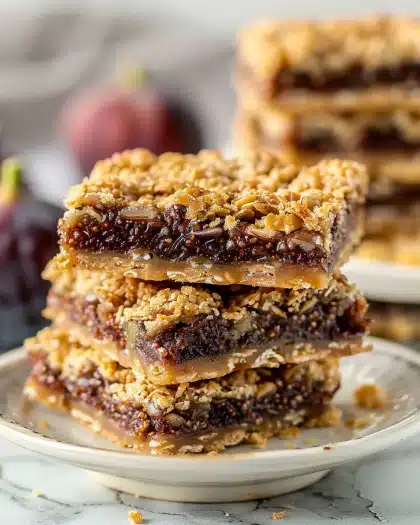
I absolutely adore this Oatmeal Cake with Coconut Pecan Topping Recipe because it’s that perfect balance of comforting and crunchy, with a moist, warmly spiced cake base topped by a delightfully crisp layer of coconut and pecans. Whenever I make this, it instantly feels like a cozy hug in dessert form. The combination of oats soaked in boiling water adds an incredible texture that makes every bite so satisfying. Whether I’m sharing it at a casual weekend brunch or bringing it along to a family gathering, it always gets rave reviews and disappears fast!
Why You’ll Love This Oatmeal Cake with Coconut Pecan Topping Recipe
What makes this oatmeal cake special to me is its inviting flavor profile. The warm spices like cinnamon and nutmeg delicately infuse the cake, making it taste like fall all year round. The oats bring a heartiness without overpowering the sweetness, while the topping melts into a crunchy, caramelized coconut-pecan masterpiece that adds an irresistible contrast in texture. I just love that combination of soft cake and crisp topping in every forkful—it keeps me coming back for more!
Beyond the deliciousness, I appreciate how straightforward the recipe is. You don’t need any fancy ingredients or complicated techniques. It’s just good, honest baking with simple pantry staples. I usually have everything on hand, which makes whipping this cake up an easy choice for last-minute get-togethers or a tasty treat after a long day. Plus, it’s a crowd-pleaser for both casual and special occasions, so it’s become one of my go-to recipes for holidays, potlucks, or even an indulgent weeknight dessert.
Ingredients You’ll Need

The beauty of this recipe is in its simple, wholesome ingredients that come together to create layers of comfort and texture. Each one plays a crucial role in the flavor, texture, and color of the final cake, ensuring it’s rich and inviting without feeling overly dense or sweet.
- Old fashioned rolled oats: Soaked in boiling water to add moisture and hearty texture to the cake.
- All-purpose flour: Provides the perfect structure for a tender crumb.
- Ground cinnamon and nutmeg: Give the cake its warm, cozy spice notes that make it so memorable.
- Baking soda: Ensures the cake rises nicely and stays light.
- Granulated and light brown sugar: A balanced sweetness with a subtle hint of molasses for depth.
- Unsalted butter: Adds richness and moisture, both in the cake and the topping.
- Eggs: Bind everything together and contribute to the cake’s fluffy texture.
- Vanilla extract: Enhances the overall flavor with a sweet, fragrant touch.
- Milk: Used in the topping to help create that luscious, gooey coconut pecan layer.
- Sweetened shredded coconut: Creates a crisp, sweet top layer to complement the cake.
- Chopped pecans or walnuts (optional): Add a crunchy, nutty finish that elevates the topping.
Directions
Step 1: Preheat your oven to 350°F (175°C) and lightly grease a 9×13-inch cake pan with nonstick spray to ensure your cake releases easily after baking.
Step 2: In a medium bowl, combine the old fashioned rolled oats with boiling water. Stir and let this soak for about 15 minutes. This step is key as it softens the oats and adds moisture to the cake, giving it a wonderful texture.
Step 3: Meanwhile, whisk together in another bowl the all-purpose flour, ground cinnamon, baking soda, salt, and ground nutmeg. These dry ingredients form the fragrant and spiced base of your cake.
Step 4: In a large mixing bowl, beat the granulated sugar, light brown sugar, and softened butter at medium speed for about 4 to 5 minutes until the mixture becomes light and fluffy. Don’t forget to scrape down the sides and bottom of the bowl to blend everything evenly.
Step 5: Add the eggs one at a time into the butter-sugar mixture, beating well after each addition. Then incorporate the vanilla extract for that lovely fragrance.
Step 6: Gradually add in the dry ingredient mixture, mixing until well combined. Then stir in the soaked oats with their liquid, making sure everything is nicely integrated into a smooth batter.
Step 7: Spread the batter evenly into the prepared pan. Bake in the preheated oven for 25 to 30 minutes until a toothpick inserted comes out with just a few moist crumbs—not wet batter. This means your cake is perfectly baked and moist.
Step 8: Remove the cake from the oven and immediately switch your oven setting to broil. While the oven heats, prepare your topping by whisking melted butter, packed light brown sugar, milk, and vanilla extract in a medium bowl. Stir in shredded coconut and chopped nuts.
Step 9: Evenly spread this topping mixture over the warm cake. Place the cake under the broiler just long enough—about 1 to 2 minutes—for the edges of the coconut to brown and crisp up beautifully. Watch it closely to avoid burning.
Step 10: Allow the cake to cool for at least 30 minutes before cutting and serving. This resting time lets the topping set and the flavors meld wonderfully.
Servings and Timing
This Oatmeal Cake with Coconut Pecan Topping Recipe yields about 16 servings, making it perfect for sharing with a crowd. The prep time is roughly 20 minutes, mostly soaking and mixing, while baking takes 25 to 30 minutes plus an additional 1 to 2 minutes under the broiler for the topping. Don’t forget to factor in at least 30 minutes for cooling before serving, so the total time from start to finish lands around 1 hour and 15 minutes.
How to Serve This Oatmeal Cake with Coconut Pecan Topping Recipe

When it’s time to serve this cake, I love to keep it simple and comforting. It pairs wonderfully with a scoop of vanilla ice cream or a dollop of fresh whipped cream to balance the crunchy topping with creamy softness. If you prefer a lighter option, a drizzle of warm caramel or honey adds a lovely sweet finish that complements the spices beautifully.
For presentation, I often slice the cake into generous squares and place them on rustic plates, garnishing with a few toasted pecan halves or a sprinkle of shredded coconut for an inviting look. The cake shines at brunches, tea parties, family dinners, and holiday gatherings alike. It’s delicious served warm or at room temperature; I find a slightly warm slice really brings out those cozy flavors and textures.
Pairing drinks is another fun way to elevate the experience. This cake goes perfectly with a hot cup of coffee or chai tea to emphasize the cinnamon and nutmeg notes. For a special occasion, a glass of dessert wine like a late harvest Riesling or a spiced rum cocktail complements the sweetness and nutty topping beautifully. For non-alcoholic pairings, consider a cold glass of milk or a robust spiced apple cider.
Variations
One thing I love about this Oatmeal Cake with Coconut Pecan Topping Recipe is how easy it is to customize. If you need a gluten-free version, swapping out the all-purpose flour for a gluten-free blend and ensuring your oats are certified gluten-free works perfectly. For a vegan twist, I replace the butter with coconut oil and use flax eggs instead of traditional eggs—then I adjust the oven time just a little to keep the cake moist and tender.
If you want to experiment with flavors, I sometimes add a handful of raisins or dried cranberries into the batter for a tart pop in each bite. You can also swap pecans for walnuts, almonds, or even macadamia nuts depending on your preference. For an extra indulgent touch, layer the top with a cream cheese frosting under the coconut pecan topping. For different cooking methods, I’ve even tried making cupcakes with this batter, and they come out beautifully moist with the same crunchy topping!
Storage and Reheating
Storing Leftovers
I store leftover oatmeal cake tightly covered in an airtight container at room temperature for up to 3 days. Keeping it well sealed preserves the moistness of the cake while maintaining the crunchiness of the coconut pecan topping as much as possible. If you want to store it longer, refrigerating the cake wrapped well in plastic wrap is fine, though the topping might soften slightly.
Freezing
This cake freezes quite well. I like to cut it into individual portions, wrap each piece tightly in plastic wrap, then place them in a freezer-safe airtight container or zip-top bag. It keeps well frozen for up to 3 months without losing much flavor or texture. To thaw, I usually leave it in the fridge overnight or bring it to room temperature before reheating.
Reheating
When reheating leftover slices, I recommend warming them gently in a microwave for about 20 to 30 seconds or until just heated through. This avoids drying out the cake. For a crisper topping, you can reheat slices in a toaster oven at 300°F for 5 to 7 minutes, watching closely so the topping doesn’t burn. Avoid reheating in high heat ovens for long periods as this may dry out the moist cake underneath.
FAQs
Can I use quick oats instead of old fashioned rolled oats?
While quick oats can be substituted in a pinch, I find that old fashioned rolled oats give the best texture because they maintain some chewiness after soaking, which adds a wonderful heartiness to the cake. Quick oats might make the cake a bit softer and less textured.
Is it necessary to soak the oats in boiling water?
Yes, soaking the oats softens them and allows them to absorb moisture, which creates that tender, moist crumb in the cake. Skipping this step would result in a drier, less cohesive texture, so I highly recommend following this part of the method.
Can I omit the nuts in the topping?
Absolutely! The nuts are optional and you can easily leave them out if you have allergies or prefer a nut-free cake. The coconut topping alone still crisps up beautifully and adds plenty of flavor and crunch.
How do I know when the cake is done baking?
The best way is to insert a toothpick in the center of the cake. When it comes out with a few moist crumbs but no wet batter, the cake is perfectly baked. Baking times can vary slightly based on your oven, so start checking around 25 minutes.
Can I make this cake ahead of time?
Yes! This cake actually tastes great the next day after the flavors have had time to meld even more. You can bake it and refrigerate for up to 2 days before serving—just warm it slightly if you prefer it served warm, or enjoy it at room temperature.
Conclusion
I truly hope you’ll give this Oatmeal Cake with Coconut Pecan Topping Recipe a try because it’s one of those desserts that feels both nostalgic and special. It’s simple to make, full of comforting flavors, and boasts that addictive crunchy topping that makes everyone smile. Baking this has brought me so much joy, and I’m excited for you to experience the warmth and deliciousness it offers as well!