“`html
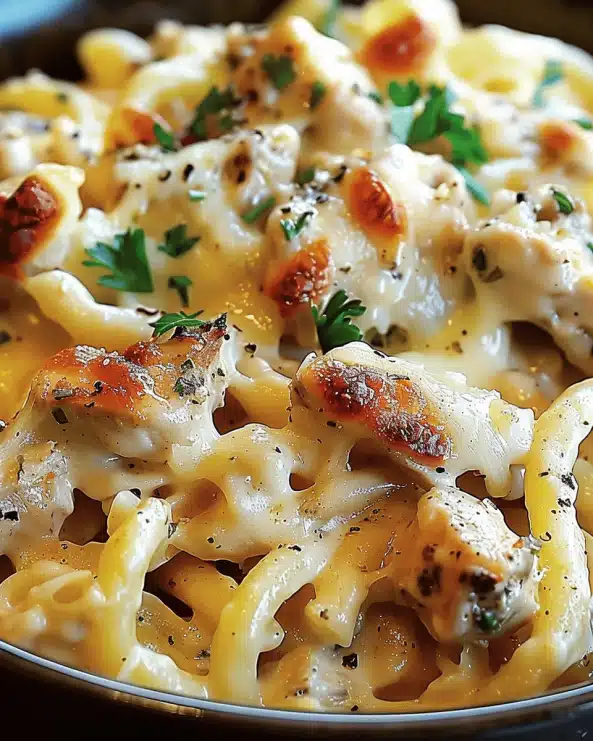
I am absolutely in love with this Plant-Based Creamy Lemon Dill Pasta Recipe because it perfectly combines bright, fresh lemon flavor with the comforting creaminess of a plant-based sauce that feels indulgent but is totally wholesome. Whenever I crave something that feels both light and satisfying, this dish is my go-to—it’s easy enough for a weeknight but impressive enough to bring out for guests. The zingy lemon and fragrant dill brighten every bite and the whole grain noodles give it a hearty texture that stays with you. This recipe truly feels like a little bowl of sunshine and comfort all at once.
Why You’ll Love This Plant-Based Creamy Lemon Dill Pasta Recipe
What excites me most about this Plant-Based Creamy Lemon Dill Pasta Recipe is the way the flavors come together so effortlessly. The lemon adds a vibrant tang that wakes up your taste buds, while the dill lends a fresh herbal note that you don’t often find in pasta dishes. Combined with the creamy, slightly savory sauce made from non-dairy milk and nutritional yeast, every mouthful feels balanced and uplifting. It’s the kind of pasta that doesn’t weigh you down but leaves you glowing and satisfied.
I also adore how straightforward this recipe is to prepare. It’s basically a one-pot wonder where everything simmers together, which means less fuss but maximum flavor. Whether you’re a busy weeknight cook or someone who enjoys spending just a little time in the kitchen, you’ll find this recipe accessible and forgiving. Plus, I love serving it for casual dinners, brunch, or even light lunch gatherings—it adapts beautifully to so many occasions. It really stands out because it’s plant-based comfort food that doesn’t compromise on taste or texture.
Ingredients You’ll Need

The beauty of this dish lies in its simple yet thoughtfully chosen ingredients. Each one plays a crucial role in building layers of flavor, texture, and color that bring this pasta to life. From the fresh dill that adds fragrant brightness, to the wholesome whole grain pasta that provides a satisfying chew, these ingredients come together like old friends in a perfect harmony.
- 8 oz 100% whole grain pasta noodles: I pick whole grain for extra fiber, nutty flavor, and hearty texture that makes every bite satisfying.
- 1 red onion, diced: Adds subtle sweetness and color that balances the tangy lemon and aromatic dill.
- 3 garlic cloves, minced (or 1 Tbsp minced garlic): Garlic brings warmth and depth that’s essential to savory dishes like this.
- 3 1/2 cups unflavored non-dairy milk (we use JOI): This creates the creamy base without dairy, allowing the lemon and dill to shine.
- 6 fresh thyme sprigs, leaves removed (or 1 tsp dried thyme): Thyme adds an earthy aroma that complements the fresh herbs.
- 1/2 tsp salt: To season and bring out all the natural flavors of the vegetables and pasta.
- Dash cayenne pepper (optional): For a subtle kick that wakes up the palate without overpowering the dish.
- 1/2 lb asparagus, cut into bite-sized pieces: Brings a tender crunch and lovely green freshness.
- 1 cup mushrooms, chopped: Adds umami richness and meaty texture to the pasta.
- 1 can chickpeas, drained and rinsed: The chickpeas add protein and a creamy bite that feels comforting and filling.
- 1 lemon, juiced (or 2 Tbsp lemon juice): The star of the dish—bright, tart, and irresistibly fresh.
- 1/2 cup nutritional yeast: Gives that cheesy, nutty flavor which makes the sauce so satisfyingly creamy.
- 1/3 cup fresh dill, chopped (or 1 Tbsp dried dill): Dill adds a distinctive, bright herbal note that elevates the entire dish.
Directions
Step 1: In a large pot or Dutch oven set over medium-high heat, add your whole grain pasta noodles, diced red onion, minced garlic, non-dairy milk, thyme leaves, salt, and a dash of cayenne pepper if using. Give everything a good stir to combine the ingredients evenly.
Step 2: Bring this mix to a gentle boil, then stir it well and reduce the heat to a simmer. Cover the pot and let it cook for about 4 minutes, stirring every 2 to 3 minutes to prevent sticking and ensure even cooking.
Step 3: After the noodles have begun to soften, add the chopped asparagus and mushrooms to the pot. Cover again and let it simmer for another 4 minutes so the veggies can cook through and meld with the pasta.
Step 4: Stir in the drained and rinsed chickpeas, then continue cooking uncovered for 2 more minutes or until the pasta reaches your preferred level of tenderness. Give the mixture a final stir to make sure everything is well incorporated.
Step 5: Remove the pot from heat and stir in the fresh lemon juice, nutritional yeast, and chopped dill. The sauce will thicken as it cools, giving a luscious, creamy texture. Serve immediately, garnished with extra dill, nutritional yeast, or a sprinkle of red pepper flakes for a little extra flair.
Servings and Timing
This Plant-Based Creamy Lemon Dill Pasta Recipe makes about 4 generous servings, perfect for a lovely family meal or sharing with friends. Prep time is quick, around 5 minutes thanks to simple chopping and measuring. The cook time clocks in at approximately 15 minutes, bringing your total time from start to finish to roughly 20 minutes. There is no additional resting or cooling time necessary, although letting it sit for a few minutes after cooking helps the sauce thicken and flavors meld beautifully.
How to Serve This Plant-Based Creamy Lemon Dill Pasta Recipe

When it comes to serving this pasta, I love to keep things bright and fresh to complement its naturally zesty flavor. A crisp green salad drizzled with a lemon-tahini dressing pairs wonderfully, adding contrast in texture and freshness. Steamed or roasted seasonal vegetables such as zucchini ribbons or roasted cherry tomatoes make ideal sides to keep the meal vibrant and balanced.
Presentation-wise, I like to plate the pasta in shallow bowls and garnish with extra chopped dill, an extra sprinkle of nutritional yeast for a nice “cheesy” finish, and a drizzle of olive oil for shine. A few cracked red pepper flakes can add a nice pop of color and a touch of heat if you’re feeling adventurous. This dish shines when served warm or at room temperature, making it great for potlucks or casual dinners where you want a comforting but light meal.
For beverages, a chilled crisp white wine like Sauvignon Blanc or a sparkling water with a splash of lemon pairs beautifully. If you want to keep it alcohol-free, iced herbal teas with hints of mint or lemon would be a refreshing choice. This pasta truly shines at family dinners, holiday lunches where you want something lighter, or even as a special weeknight treat when you want to feel pampered but not overwhelmed.
Variations
One of my favorite things about this Plant-Based Creamy Lemon Dill Pasta Recipe is how easy it is to adapt. If you cannot find fresh dill, dried dill works just as well, and adding a little extra can boost the flavor. For those avoiding gluten, swapping whole grain pasta for gluten-free varieties works perfectly without compromising texture.
If you want to switch up the vegetables, try adding peas or baby spinach toward the end of cooking for even more color and nutrients. Mushrooms can be replaced with sautéed zucchini or eggplant to change the flavor profile slightly, offering a touch of earthiness or sweetness depending on your choice. Another tasty tweak I love is stirring in some sun-dried tomatoes for a burst of umami and tang.
For a nuttier or richer sauce, you could blend in some soaked cashews or silken tofu before cooking to increase creaminess without losing any of the bright lemon notes. Feel free to adjust the cayenne pepper amount to make it as mild or as spicy as you prefer. I also enjoy trying different fresh herbs like basil or parsley alongside or instead of dill for seasonal twists and to keep this recipe exciting over time.
Storage and Reheating
Storing Leftovers
I always store leftovers of this pasta in an airtight container in the refrigerator. Using glass containers with tight-fitting lids works best because they keep flavors fresh and help avoid any moisture buildup that could make the pasta soggy. The dish keeps well for up to 3 days, but I find the sauce thickens more as it sits, which actually improves the creaminess when reheated.
Freezing
This pasta can be frozen, though I recommend slightly undercooking the noodles before freezing so they don’t become mushy later. Transfer cooled leftovers into freezer-safe containers or heavy-duty freezer bags, and it will keep nicely for up to 2 months. When freezing, separate portions individually for easy thawing and reheating later on.
Reheating
To reheat, I prefer warming it gently on the stovetop over low heat, stirring frequently to prevent sticking and to help the sauce loosen up as it warms. Adding a splash of non-dairy milk or water can refresh the sauce to a creamy consistency. Avoid microwaving at high heat without stirring, as this can cause uneven warming and a grainy texture. Reheating slowly helps preserve that fresh lemon and dill brightness you love.
FAQs
Can I use a different type of pasta for this recipe?
Absolutely! While I use whole grain pasta for its nutty flavor and fiber content, you can swap in gluten-free pasta, brown rice pasta, or even chickpea pasta for a protein boost. Just adjust cooking times according to package directions and keep in mind that some may absorb sauce differently.
Is the nutritional yeast necessary in this recipe?
Nutritional yeast is what gives the sauce a lovely cheesy, savory depth which really elevates the flavor without dairy. However, if you don’t have it on hand, you can substitute with a splash of soy sauce or miso paste for umami or simply omit it, but the sauce will be less rich.
Can I make this recipe ahead of time?
Yes! This pasta reheats beautifully and actually tastes even better the next day once the flavors meld. For best results, store it in the fridge overnight and reheat gently with a splash of non-dairy milk to maintain creaminess.
What if I don’t have fresh dill?
Fresh dill really brightens this dish, but dried dill can be used in smaller quantities (about one-third the amount) and will still lend that signature flavor. You can also experiment with fresh parsley or basil if you prefer a different herbaceous note.
Can I add protein to this dish?
The chickpeas in the recipe provide a good source of plant-based protein, but if you’d like more, adding cooked tempeh, tofu cubes, or even some toasted pine nuts on top works really well without overpowering the lemon dill flavors.
Conclusion
I truly hope you’ll give this Plant-Based Creamy Lemon Dill Pasta Recipe a try because it’s one of those rare dishes that feels both nourishing and celebratory all at once. The bright lemon juice, fresh dill, and creamy sauce make every bite an absolute delight that’s sure to become a favorite in your kitchen too. Whether you’re cooking for yourself, family, or friends, this pasta is sure to bring joy, warmth, and a little bit of sunshine to your table. Enjoy every creamy, lemony forkful!
“`